How it works
A simple idea. A complex journey. A shared effort.
Donating wheat is the beginning.
Moving it from Australian farms to communities affected by crisis requires a carefully coordinated chain of farmers, grain handlers, transporters, donors, technical specialists and humanitarian partners.
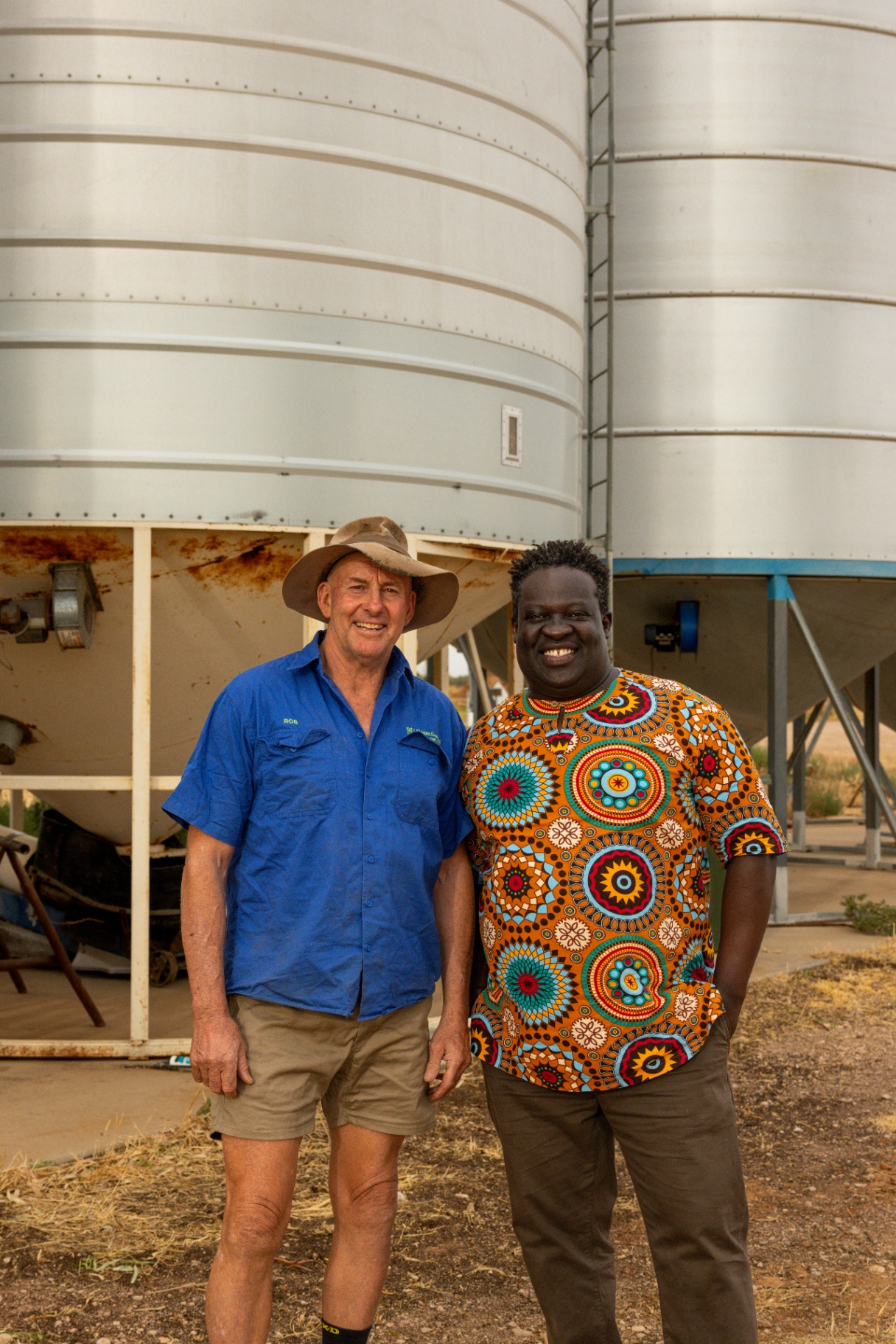
The journey
Six steps, many hands
- 01
Farmers pledge grain
Australian farmers commit an agreed quantity of suitable grain.
- Type and grade required
- Quality specifications
- Collection arrangements
- Storage capacity
- Destination requirements
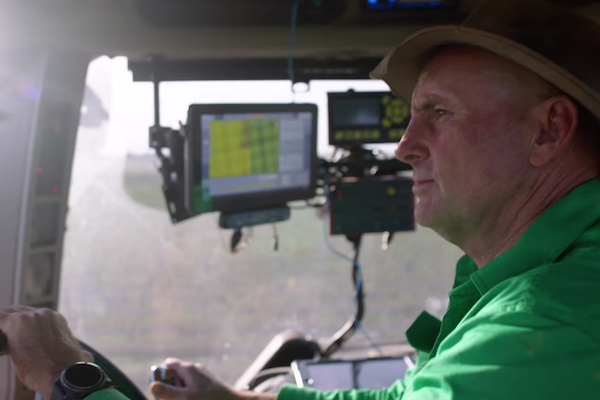
- 02
The grain is collected and prepared
Before wheat can travel internationally, it must be tested, inspected and readied for freight.
- Grain testing
- Inspection and certification
- Storage
- Cleaning or treatment where required
- Documentation
- Container preparation
- 03
Supporters fund the journey
The value of the wheat is only one part of the undertaking. Getting it to communities in need costs many times more.
- Farm-to-silo transport
- Handling
- Storage
- Inspection
- Containers
- Port charges
- International freight
- Customs
- Inland transport
- Milling
- Distribution
- Reporting
- 04
Logistics partners move it
Transport companies, ports, grain handlers, freight providers and service firms all reduce cost and complexity — often by contributing what they do best.
- 05
Humanitarian and local partners guide delivery
Trusted partners help ensure grain reaches people responsibly and appropriately.
- Where help is most needed
- Whether grain is appropriate
- Milling and preparation
- Safe access
- Dignified distribution
- Local market considerations
- Reporting
- 06
We report back
Transparency isn't a nice-to-have. It's part of the promise.
- Grain pledged
- Funds raised
- Major costs
- Shipment progress
- Delivery status
- Route changes
- Lessons learned
Where security or personal dignity requires information to remain private, we will explain that limitation rather than manufacture certainty.
Grain is not always the answer.
Grain of Hope exists to connect Australian agricultural generosity with humanitarian need.
But responsible assistance must begin with what affected communities need, not merely with what donors wish to give.
Before each campaign, the organisation assesses whether physical grain donation is appropriate, economical and supportive of local markets. In some contexts, another response may be more effective.
This commitment makes the mission stronger, not weaker.
Questions